The Overlooked Key to Health and Wellbeing: Why Sleep Matters More Than You Think

The Overlooked Key to Health and Wellbeing: Why Sleep Matters More Than You Think

When it comes to health and performance, we often focus on eating well and staying active. But there’s another crucial factor that’s often overlooked—sleep. While it might seem like a luxury in a busy schedule, quality sleep is a non-negotiable pillar of health. It affects everything from cognitive function and emotional resilience to metabolism and immune strength.

If you’ve been sacrificing sleep in the name of productivity, fitness, or late-night screen time, it’s time to rethink your approach. Let’s dive into why sleep is so essential and how getting enough rest can transform your overall well-being.

The Power of Sleep: How It Impacts Your Body and Mind

1️⃣ Boosts Mental and Emotional Wellbeing

Ever noticed how much harder it is to focus or regulate your emotions after a poor night’s sleep? That’s because sleep plays a crucial role in brain function and mental health.

  • Improves cognitive function: A full night’s rest enhances memory, concentration, and problem-solving skills.
  • Regulates mood and stress levels: Sleep helps manage emotions and stress by allowing the brain to reset and process emotions properly. Chronic sleep deprivation is linked to increased anxiety, irritability, and even depression.
  • Enhances decision-making: Poor sleep impairs judgment, making you more likely to make impulsive choices—whether it’s in your diet, workouts, or daily responsibilities.

2️⃣ Supports Physical Health and Recovery

Your body does some of its most important repair work while you sleep. This is when muscles recover, cells regenerate, and hormones rebalance.

  • Aids in muscle recovery and growth: If you’re working out regularly, sleep is just as important as exercise. Growth hormone, which plays a key role in muscle repair and recovery, is released during deep sleep.
  • Strengthens the immune system: Sleep helps your body produce infection-fighting cells and antibodies, reducing your risk of getting sick.
  • Balances stress hormones: Lack of sleep leads to higher levels of cortisol, the stress hormone. Chronic stress and high cortisol levels contribute to fatigue, weight gain, and increased inflammation.

3️⃣ Plays a Major Role in Weight Management

Many people don’t realize that sleep directly affects hunger, metabolism, and energy levels—all key components of weight management.

  • Balances hunger hormones: Sleep helps regulate ghrelin (the hormone that increases hunger) and leptin (the hormone that signals fullness). Poor sleep disrupts this balance, making you feel hungrier and more prone to cravings.
  • Boosts metabolism: A well-rested body processes nutrients more efficiently. Chronic sleep deprivation has been linked to insulin resistance, which can contribute to weight gain and an increased risk of metabolic disorders.
  • Increases energy for workouts: Good sleep means more energy, better endurance, and improved performance in workouts. If you’re constantly feeling drained, prioritizing sleep could help you push harder in the gym and recover more effectively.

How to Improve Your Sleep for Better Health

If you’re struggling to get 7–9 hours of quality sleep per night, here are some practical tips to help you reset your sleep routine:

✅ Set a Consistent Sleep Schedule – Go to bed and wake up at the same time every day (yes, even on weekends) to regulate your body’s internal clock.

✅ Create a Relaxing Nighttime Routine – Wind down with calming activities like reading, stretching, or meditation. Avoid stimulating activities (like scrolling social media) right before bed.

✅ Limit Caffeine and Heavy Meals Before Bed – Caffeine stays in your system for 6–8 hours, so try to cut off intake by mid-afternoon. Eating heavy meals too close to bedtime can also disrupt sleep.

✅ Reduce Blue Light Exposure in the Evening – The blue light from screens can interfere with melatonin production, making it harder to fall asleep. Try limiting screen time at least 30–60 minutes before bed.

✅ Optimize Your Sleep Environment – Keep your bedroom cool, dark, and quiet. Investing in blackout curtains, a white noise machine, or a comfortable mattress can make a big difference.

Final Thoughts: Prioritizing Sleep is Prioritizing Health

If you’ve been pushing sleep to the bottom of your priority list, it’s time for a mindset shift. Sleep is not wasted time—it’s an essential investment in your health, energy, and performance.

Want to feel more energized, think more clearly, and perform at your best? Start by getting serious about sleep. Small changes to your routine can make a massive impact on how you feel and function every day.

How do you prioritize sleep in your daily routine? Drop a comment below—I’d love to hear your thoughts!

Power-Packed Yogurt Berry Bowl: A Perfect Fuel for Your Day

Power-Packed Yogurt Berry Bowl: A Perfect Fuel for Your Day

Looking for a quick, delicious, and protein-packed breakfast? This Yogurt Berry Bowl is the perfect way to start your morning strong! Whether you’re an athlete needing fuel for training, a busy student on the go, or simply looking for a balanced meal, this bowl has everything you need—high-quality protein, fiber, antioxidants, and healthy fats—to keep you energized and satisfied.

Why You’ll Love This Recipe

✔ High-Protein Powerhouse – With 32g of protein from Greek yogurt, chia seeds, and granola, this bowl supports muscle recovery and keeps you full longer.
✔ Fiber for Digestion & Satiety – 12g of fiber helps with gut health and sustained energy.
✔ Antioxidant-Rich Berries – Berries provide vitamins, minerals, and compounds that fight inflammation and support immunity.
✔ Healthy Fats for Brain & Energy – Almond butter and chia seeds add omega-3s and slow-digesting energy to keep you going.
✔ Quick & Easy – Ready in just 5 minutes, perfect for busy mornings or post-workout recovery.

How to Make It

Ingredients

  • 1 cup non-fat Greek yogurt (20g protein)
  • 2 tablespoons chia seeds (5g fiber, 3g protein)
  • 1/4 cup high-protein granola (3g fiber, 5g protein)
  • 1/2 cup mixed berries (raspberries, blueberries – 4g fiber, 1g protein)
  • 1 tablespoon almond butter (1g fiber, 3g protein)
  • 1 teaspoon honey (optional, for sweetness)

Instructions

1️⃣ In a bowl, add Greek yogurt as the base.
2️⃣ Stir in chia seeds and let sit for 5 minutes to soften.
3️⃣ Top with high-protein granola and mixed berries.
4️⃣ Drizzle almond butter and honey (if desired) over the top.
5️⃣ Enjoy immediately for a delicious, nutrient-packed meal!

Nutrition Breakdown (Per Serving)

  • Calories: 485
  • Protein: 32g
  • Fiber: 12g
  • Other Perks: Antioxidant-rich, healthy fats, and slow-digesting carbs for sustained energy.

Pro Tips & Variations

  • Want more crunch? Add chopped nuts or cacao nibs.
  • Need more carbs for a workout? Swap honey for a sliced banana.
  • Looking for extra protein? Mix in a scoop of vanilla protein powder with the yogurt.
  • Meal prep tip: Pre-portion your toppings in small containers for grab-and-go convenience.

This Yogurt Berry Bowl is a game-changer—fueling your body with the right balance of nutrients while tasting absolutely amazing. Try it out and let us know your favorite toppings!

Would you add this to your breakfast lineup? Drop a comment below! ⬇️

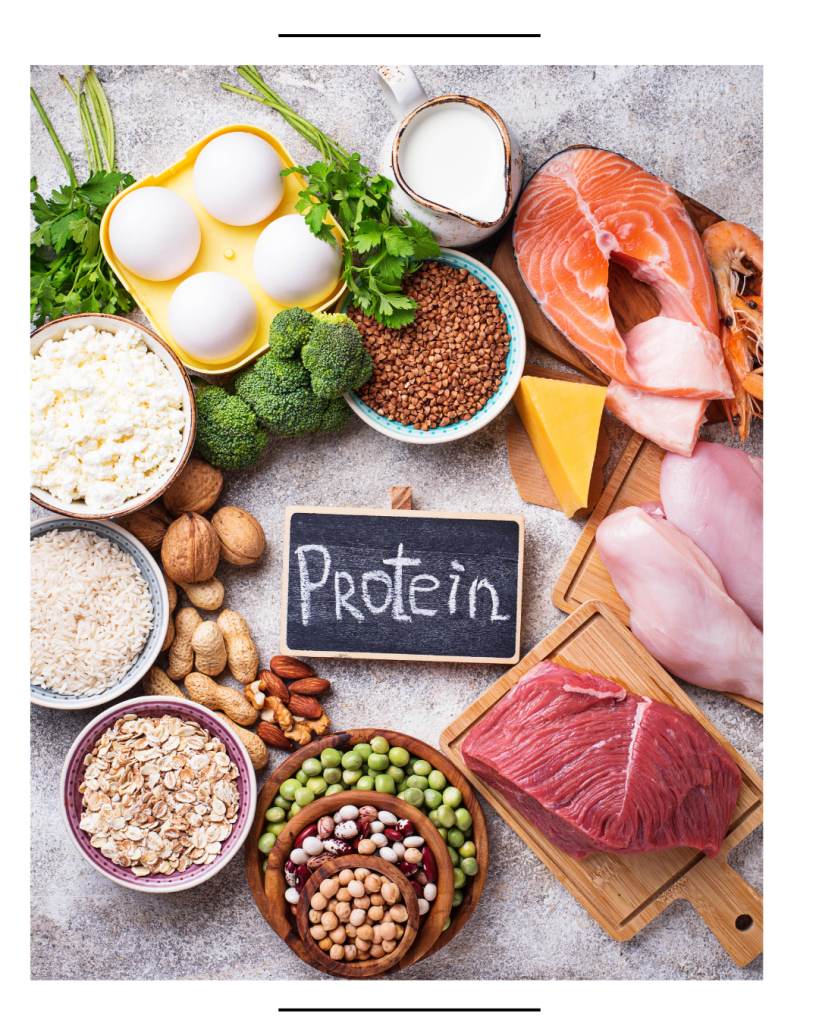
Why 30g of Protein Per Meal is a Game-Changer!

When it comes to nutrition, protein is one of the most important macronutrients—but it’s often overlooked. Whether you’re trying to stay full longer, maintain energy levels, build muscle, or support overall health, making sure you get at least 30 grams of protein per meal can make a big difference.

If you’re not intentional about your protein intake, it’s easy to fall short, which can leave you feeling sluggish, constantly hungry, and struggling with recovery after workouts. Let’s dive into why protein is so essential and how you can make sure you’re getting enough at every meal.

Why Protein Matters

Protein isn’t just for athletes or bodybuilders—it plays a vital role in muscle repair, immune function, hormone production, and even metabolism. Unlike quick-digesting carbohydrates, protein provides slow, steady energy, helping you avoid blood sugar crashes and cravings throughout the day.

Key Benefits of 30g of Protein Per Meal

✅ Muscle Maintenance & Recovery – Protein helps repair and rebuild muscles after exercise, making it essential for both athletes and active individuals. Even if you don’t work out regularly, protein helps preserve lean muscle mass, which naturally declines with age.

✅ Satiety & Appetite Control – Ever feel like you’re hungry an hour after eating a meal? That’s likely because it was low in protein. Protein takes longer to digest, which helps you feel full and satisfied, reducing cravings and preventing overeating.

✅ Steady Energy Levels – Carbohydrates give a quick burst of energy but can cause crashes later. Protein, on the other hand, helps stabilize blood sugar, providing a more sustained source of fuel throughout the day.

✅ Metabolism Support – Did you know your body burns more calories digesting protein than it does digesting carbs or fats? This is known as the thermic effect of food (TEF), meaning eating enough protein can naturally support a healthy metabolism.

✅ Stronger Immune System – Your body relies on protein to build and repair cells, including those in your immune system. Getting enough protein can help keep your immune defenses strong.

How to Get 30g of Protein Per Meal

Hitting your protein goals doesn’t have to be complicated or expensive. By making small, intentional changes to your meals, you can easily reach 30 grams of protein at breakfast, lunch, and dinner.

Protein-Packed Meal Ideas

🥚 Breakfast:

  • Scrambled eggs with veggies and whole-grain toast
  • Greek yogurt with nuts, seeds, and berries
  • Cottage cheese with fruit and a sprinkle of granola
  • A protein smoothie with protein powder, milk, peanut butter, and a banana

🥗 Lunch:

  • Grilled chicken salad with quinoa and chickpeas
  • Turkey and avocado wrap on a whole-wheat tortilla
  • Tuna salad with whole-grain crackers and a side of roasted veggies
  • Lentil soup with a slice of whole-grain bread

🥩 Dinner:

  • Grilled salmon with roasted sweet potatoes and steamed broccoli
  • Stir-fry with tofu, brown rice, and mixed vegetables
  • Lean ground beef tacos with black beans and avocado
  • Baked chicken with quinoa and roasted Brussels sprouts

Simple Swaps to Boost Protein Intake

  • Add cottage cheese or Greek yogurt to smoothies
  • Swap regular pasta for chickpea or lentil pasta
  • Use nut butters or seeds as toppings on oatmeal or toast
  • Include canned tuna, salmon, or chicken for quick, high-protein meals

Making protein a priority doesn’t have to be difficult, but it does require a little planning. Try it out this week and see how much better you feel! 💪🏼🍳🥩

#ProteinPower #FuelYourBody #HealthyEating #30gProtein

The Rule of 30: A Simple Guide to Building a Healthy Lifestyle

Creating a sustainable, healthy lifestyle doesn’t have to be complicated. By focusing on small, intentional habits, you can build a routine that supports your energy, metabolism, digestion, and overall well-being. That’s where the Rule of 30comes in—a simple, structured approach that helps you prioritize nutrition, hydration, movement, and self-care every day.

Here’s how following the Rule of 30 can set you up for success:

1. 30g of Protein at Each Meal

Protein is essential for maintaining muscle mass, keeping you full, and supporting metabolism. As we age, adequate protein intake becomes even more critical for preserving strength and preventing muscle loss. By aiming for 30 grams of protein per meal, you can:

✔️ Maintain and build lean muscle
✔️ Improve satiety and reduce cravings
✔️ Support post-workout recovery
✔️ Regulate blood sugar levels

Easy ways to hit 30g of protein per meal:

  • 3–4 oz of chicken, salmon, or lean beef
  • 1 cup of Greek yogurt with nuts and berries
  • 2 eggs with cheese and a side of turkey sausage
  • A protein smoothie with protein powder, milk, and nut butter

2. 30g of Fiber Per Day

Fiber plays a major role in digestive health, blood sugar control, and even weight management. Most people don’t get enough fiber, but aiming for 30g per day can:

✔️ Support gut health by feeding beneficial bacteria
✔️ Improve digestion and regularity
✔️ Keep you full longer and stabilize appetite
✔️ Lower cholesterol and support heart health

Easy ways to add more fiber to your diet:

  • Start your day with oats, chia seeds, or flaxseeds
  • Load up on vegetables—make half your plate veggies!
  • Swap refined grains for whole grains like quinoa or brown rice
  • Snack on fiber-rich foods like berries, nuts, and hummus with veggies

3. 30 oz of Water, 3 Times a Day

Hydration is key for digestion, metabolism, and overall energy levels. Instead of struggling to meet a daily water goal, break it up into manageable parts—30 ounces of water three times per day. This helps:

✔️ Prevent dehydration and fatigue
✔️ Support digestion and regularity
✔️ Improve skin health and cognitive function
✔️ Aid in metabolism and appetite regulation

Tips to stay hydrated:

  • Start your morning with a glass of water before coffee
  • Carry a reusable water bottle throughout the day
  • Infuse water with lemon, cucumber, or berries for flavor
  • Set reminders to drink water during meals and snacks

4. 30 Minutes of Movement a Day

Exercise doesn’t have to be extreme to be effective. Aiming for 30 minutes of movement daily can help with:

✔️ Strengthening muscles and bones
✔️ Boosting mood and reducing stress
✔️ Improving heart health and circulation
✔️ Supporting metabolism and weight management

Ways to fit in 30 minutes of movement:

  • Strength training or bodyweight exercises at home
  • A brisk walk, jog, or bike ride
  • Yoga or mobility work to improve flexibility
  • Dancing, hiking, or playing a sport for fun

5. 30 Minutes of Mindfulness & Self-Care

Mental health is just as important as physical health. Prioritizing 30 minutes of mindfulness or self-care each day can:

✔️ Reduce stress and anxiety
✔️ Improve sleep and relaxation
✔️ Increase self-awareness and focus
✔️ Boost overall emotional well-being

Ideas for self-care and mindfulness:

  • Meditation or deep breathing exercises
  • Reading, journaling, or listening to music
  • Unplugging from social media and taking a nature walk
  • Practicing gratitude and setting positive intentions

The Rule of 30: Small Steps, Big Impact

By following the Rule of 30, you create consistent, manageable habits that lead to lasting health improvements. This simple framework ensures you’re fueling your body, staying active, hydrating properly, and prioritizing self-care—all without feeling overwhelmed.

Start today! Focus on one or two areas at a time, and gradually build up to incorporating all five. Your future self will thank you.

#HealthyLiving #RuleOf30 #SimpleHabits #WellnessRoutine